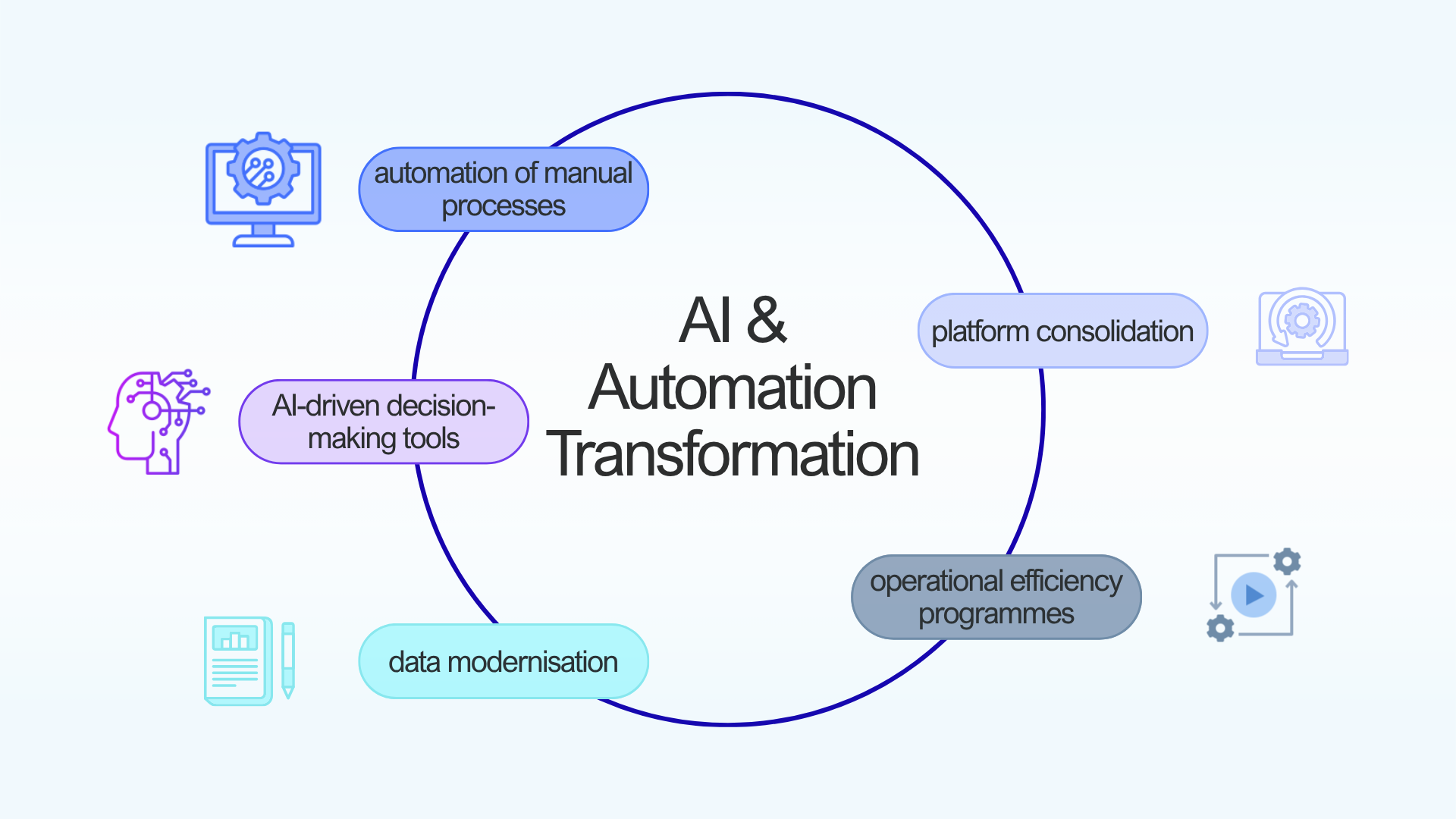
AI Is Everywhere. Capability Isn’t: Why The Future of CX Belongs to Organisations Who Build the Right Teams

Why CX, BPO & GBS organisations need people, not platforms, to unlock AI’s full value.

As organisations race to adopt AI, the customer experience landscape is shifting faster than ever. According to The State of Customer Experience report, AI is no longer a peripheral investment – it’s becoming central to CX strategies worldwide. CX leaders expect one-third of their CX budgets to go to AI in the next 12 months, and 42% already list increased AI adoption as a top priority.

But while AI investment is exploding, the report reveals a more fundamental truth:
AI is only as valuable as an organisation’s ability to understand and serve its customers.

Despite the hype, most companies are still struggling with the human and operational foundations needed to make AI work.

The CX Reality: Technology Isn’t the Main Barrier – Understanding Is

CX leaders aren’t held back by a lack of AI tools. Instead, they’re grappling with issues that predate AI – and will undermine it if left unresolved:

  • 43% cite reducing data silos and achieving seamless journeys as a core priority
  • 41% say the biggest challenge is simply keeping up with rising customer expectations
  • 38% prioritise strengthening data capabilities for real-time insight and orchestration

In other words: AI isn’t the differentiator. Customer understanding is.

Companies are collecting more data than ever, yet only 16% provide fully integrated omnichannel CX with connected systems and seamless context flow from one channel to another.

This is the real transformation gap.

Consumers Want AI-Enabled Efficiency – But Not at the Expense of Empathy

While 64% of consumers believe AI will improve the speed and quality of CX over the next few years, their expectations around human interaction remain clear:

  • 37% say empathy and knowledgeable support are essential
  • 49% value first-interaction resolution above all else
  • 37% find it deeply frustrating when they can’t reach a human agent – and 22% say it makes them want to switch brands entirely

Consumers want AI to remove friction – not humanity.

The brands that win won’t be those that automate the most, but those that blend AI with exceptional human capability.

The Talent Gap: AI Demands New Skills, Structures and Leaders

The report makes something else clear: organisations are not yet ready, structurally or culturally, to operationalise AI at scale.

  • 37% of CX leaders say keeping staff trained on new tech is a major challenge
  • Many still rely on disconnected technology stacks that prevent them from getting real-time customer insight
  • Internal silos and competing priorities slow down CX transformation more than any technology constraint

AI is accelerating – but people aren’t being enabled to keep up.

This is where CX transformation fails most often: not in the tech selection, but in the leadership, capability building and organisational orchestration behind it.

To thrive in an AI-first era, organisations need talent who can:

  • Interpret data and orchestrate journeys
  • Integrate digital and human channels
  • Lead AI-driven operational change
  • Build customer understanding into everyday decision-making
  • Coach teams to work effectively with automation and insight tools

AI doesn’t remove the need for people. It elevates the need for the right people.

What This Means for CX, BPO & GBS Providers

Your clients don’t just need AI platforms. They need partners who can translate AI into outcomes: lower costs, stronger experiences, faster resolution and more personalised journeys.

This requires talent and leadership with strengths in:

  • CX strategy and experience orchestration
  • Data maturity and insights
  • Omnichannel design
  • AI-powered workforce models
  • Change and transformation capability
  • Human-centred service delivery

In short: AI creates the opportunity – people create the value.

How JMR Global Helps Build AI-Ready CX Organisations

At JMR, we support organisations across CX, BPO and GBS to build the human foundations required to unlock AI’s potential. We partner with businesses to:

  • Recruit leaders who can operationalise AI, not just purchase it
  • Build teams skilled in analytics, orchestration, digital CX and hybrid human-AI service models
  • Strengthen organisational design and capability for omnichannel CX
  • Identify gaps in customer understanding, insight and experience delivery
  • Develop talent strategies that keep pace with rapid tech adoption

Our work is built around a simple truth: Technology doesn’t differentiate you. Your people do.

The Bottom Line

AI will transform customer experience – but only for organisations that close the gaps in understanding, data, skills, and leadership first. Those that do will orchestrate journeys effortlessly, personalise service at scale, and meet the ever-rising bar of customer expectations. Those that don’t will continue to invest heavily in AI… without seeing the return.

See the full State of CX report here.

If you’re ready to build an AI-ready CX organisation – with the right leadership, structures and capabilities – we see you, we hear you, and we can help.

The New Executive Playbook

Skills for Leading Workforce Change

Executives today face unprecedented challenges that demand a fresh mindset and innovative skills to drive workforce transformation. At every level – whether in the boardroom or on the frontlines – leaders are key players in fostering adaptability and resilience.

This article explores the essential skills and approaches executives need to navigate shifting demands, future-proof their teams, and build a growth-oriented culture that keeps organisations competitive.

Board/NED

For Non-Executive Directors, adaptability in leadership is about foresight and governance, ensuring the company’s strategies are not only profitable but sustainable and future-proof.

Key focuses for NEDs include:

  • Long-Term Vision for Sustainable Growth: As stewards of organisational resilience, board members and NEDs must advocate for strategies that balance profit with purpose. This includes aligning the company’s long-term vision with ESG (Environmental, Social, and Governance) principles to support sustainable business practices.
  • Oversight on Adaptive Leadership Development: Board members should prioritise adaptive leadership development within the executive team, ensuring that succession planning aligns with the demands of tomorrow’s market. This includes championing continuous learning and diversity within leadership pipelines.
  • Regulatory and Ethical Responsiveness: Board members and NEDs are key in guiding organisations through regulatory changes and upholding ethical standards. This role requires a keen awareness of emerging trends and an unwavering commitment to ethical, transparent decision-making.

C-Level

At the C-suite level, transformation involves more than setting a vision – you need to be able to create a culture that continually adapts to disruption and fosters forward-thinking strategies.

Key focuses for C-level leaders include:

  • Digital Fluency and Agility: As stewards of digital innovation, C-level leaders are expected to understand and leverage advanced technologies like artificial intelligence (AI), predictive analytics, and cybersecurity to inform strategic decisions. Developing this digital literacy enables them to adapt strategies swiftly and address risks as they emerge.
  • Holistic Change Leadership: Effective change management goes beyond directives; C-level leaders are increasingly adopting communication styles and coaching approaches that actively engage and guide teams through transitions. This leadership style encourages a strong alignment with the company’s mission and creates a foundation of trust across the organisation.
  • Cross-Functional Perspective: C-level leaders benefit greatly from executive coaching and opportunities for cross-functional exposure, as these experiences foster a holistic view of the business that enhances their ability to make well-rounded strategic decisions.

V-Level

Vice Presidents bridge the C-suite vision with on-the-ground implementation. Their role is one of both strategy and hands-on guidance, meaning they must foster a culture of empowerment and skills development that aligns with evolving organisational priorities.

Key focuses for V-level leaders include:

  • Building Resilient Teams: Vice Presidents need to prioritise workforce agility by facilitating ongoing skills development, such as data fluency and agile project management, that aligns with their teams’ unique demands. These competencies are becoming integral for teams that must pivot quickly to meet new challenges.
  • Coaching and Succession Planning: As mentors to the next generation of leaders, Vice Presidents should champion inclusive talent development practices, building teams that reflect diverse strengths and perspectives. This approach fosters resilience and creates a sustainable talent pipeline for future leadership.
  • Clear Alignment with Company Vision: Vice Presidents are often tasked with translating high-level strategic initiatives into actionable team objectives. Ensuring that these directives resonate with the broader organisational mission requires a transparent, values-driven leadership style that resonates with team members.

D-Level

Directors play an instrumental role in putting strategy into practice, where adaptability and proactive problem solving skills are essential. Directors must hone their ability to manage cross-functional initiatives that drive organisational change at a tactical level.

Key skills for Directors include:

  • Adaptable Project Management: Directors need advanced skills in agile project management to lead teams effectively through ongoing change. This means fostering collaborative environments where cross-functional teams can innovate and deliver high-impact results in alignment with overarching goals.
  • Interdepartmental Collaboration and Problem-Solving: In rapidly changing environments, Directors are often the first to encounter operational challenges that require immediate action. Building interdepartmental connections and real-time feedback mechanisms allows Directors to implement quick, data-informed solutions.
  • Real-Time Leadership and Feedback: With day-to-day oversight of team performance, Directors benefit from a style of leadership that incorporates ongoing feedback and iterative problem-solving, fostering a culture of learning and improvement.

Leaders across every level – from D-Level right through to the board – are important in building a resilient, future-ready workforce. Through a commitment to skills development and adaptive strategies tailored to their roles, they foster a culture of flexibility, sustainability, and innovation, positioning their organisations to thrive amid uncertainty.